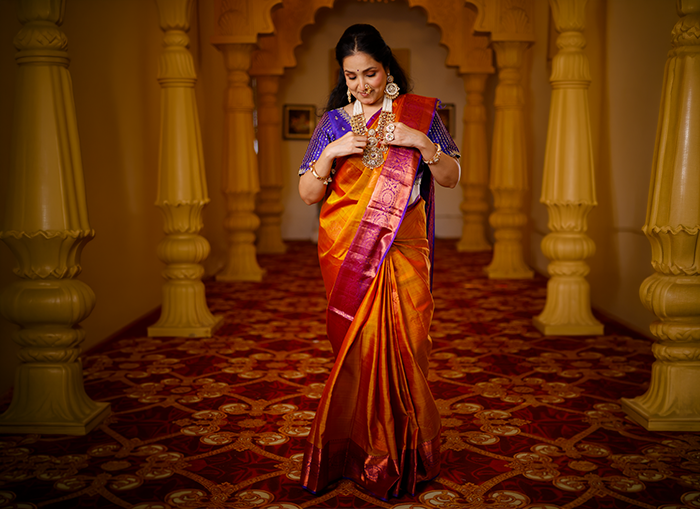
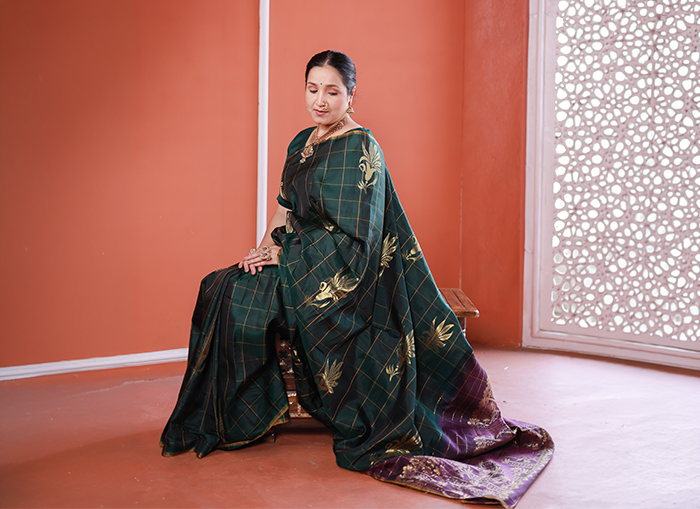
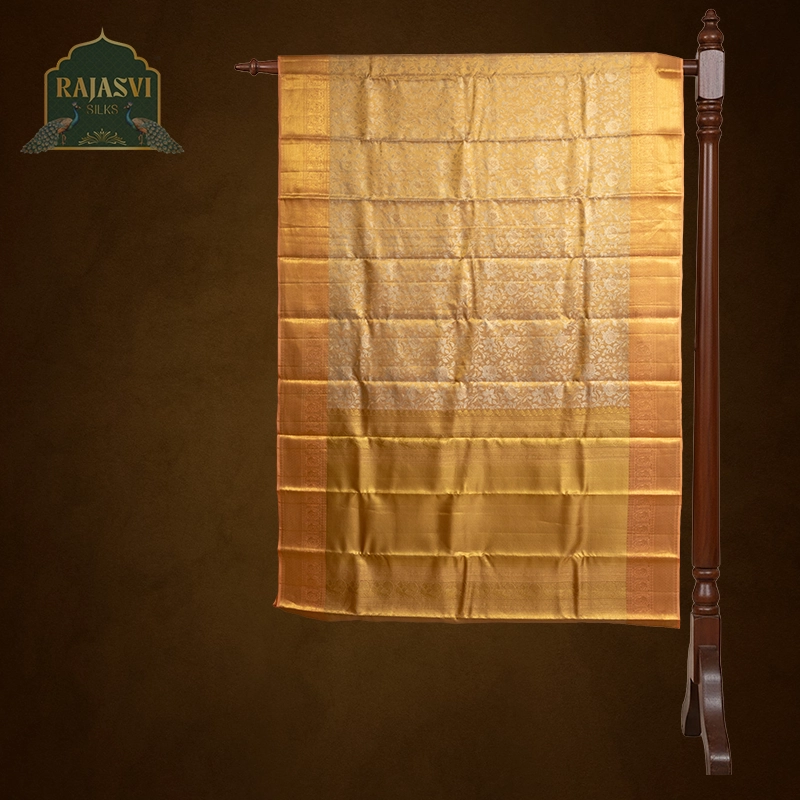
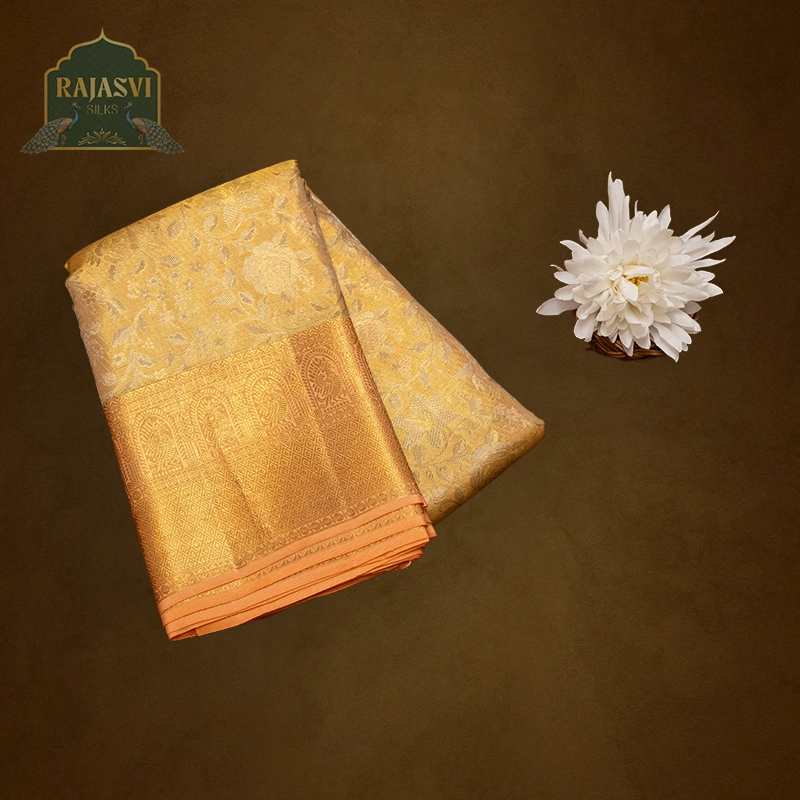
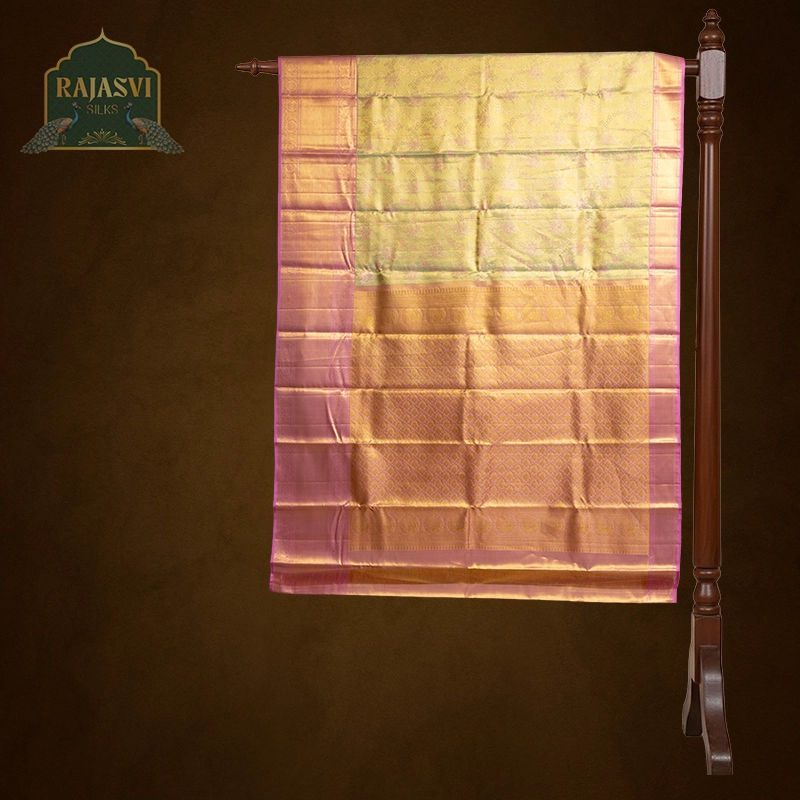
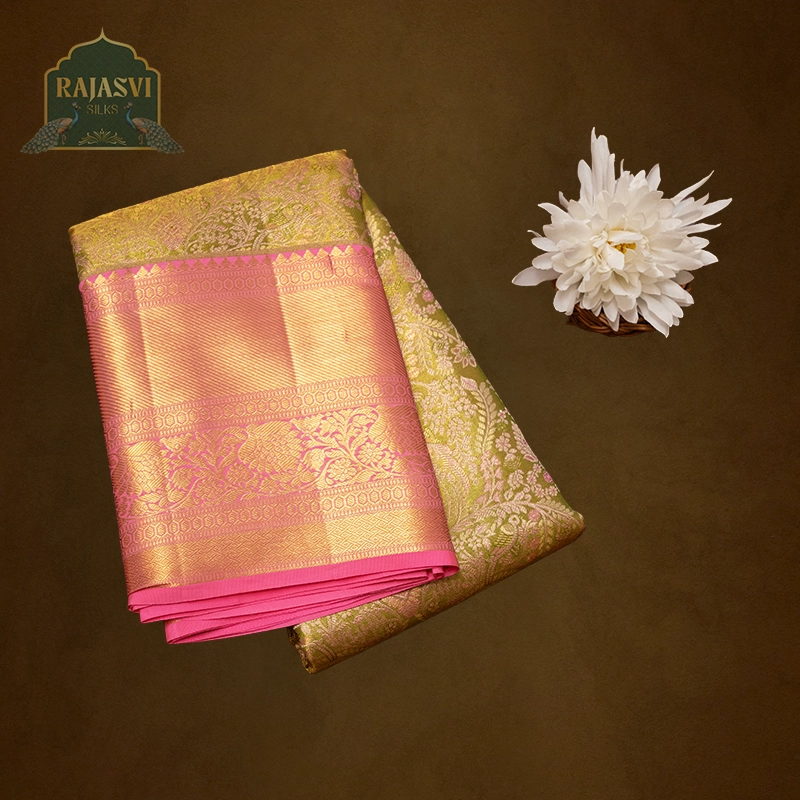
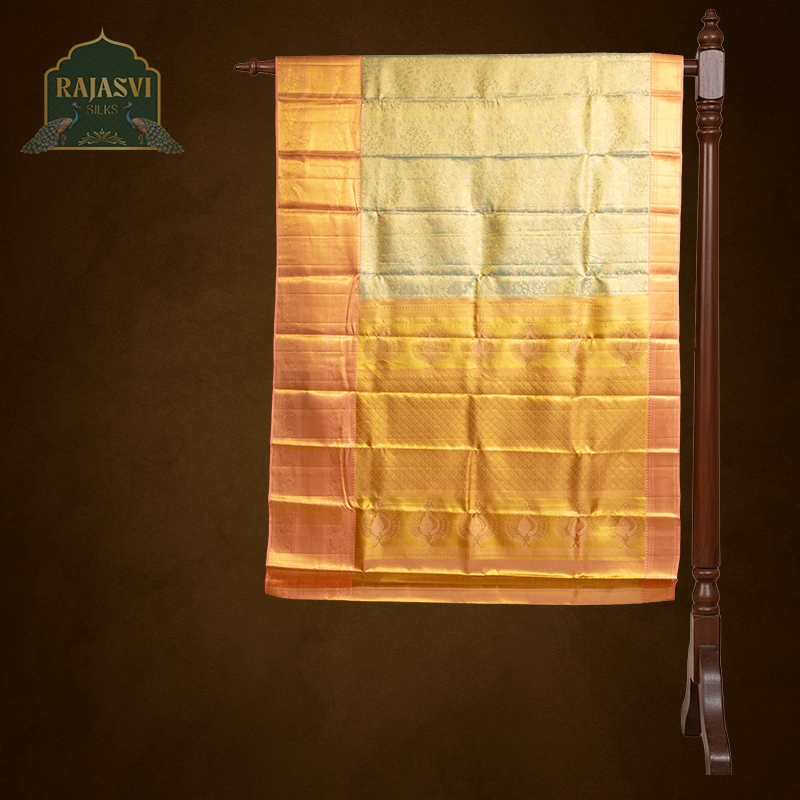
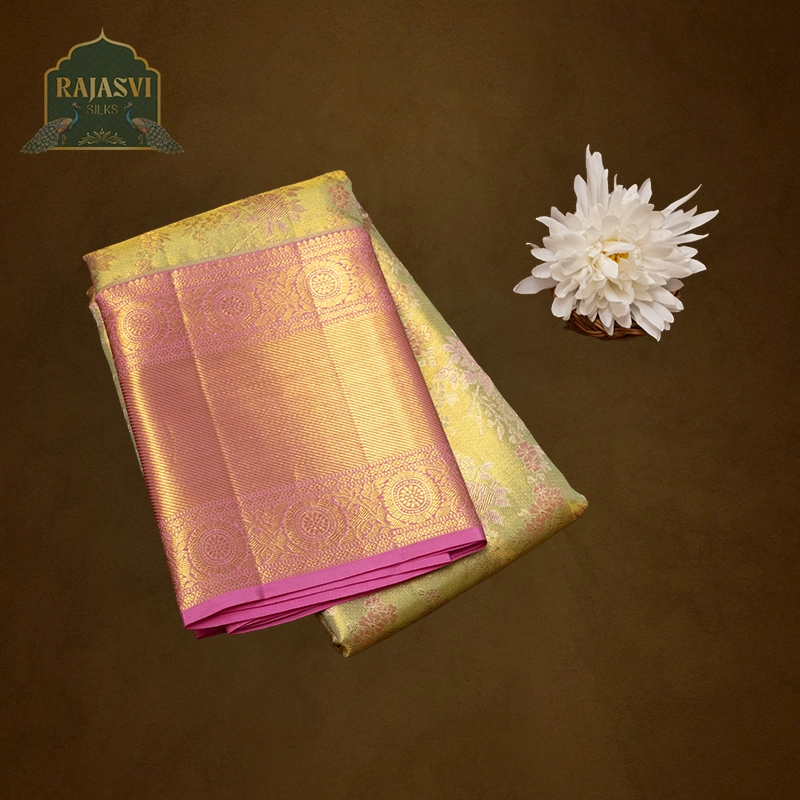
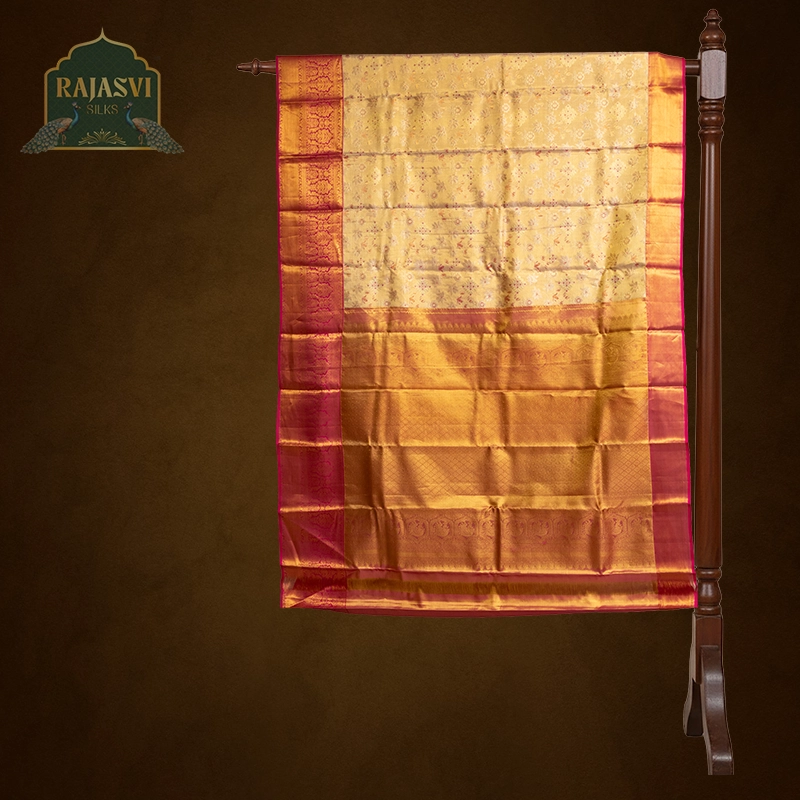
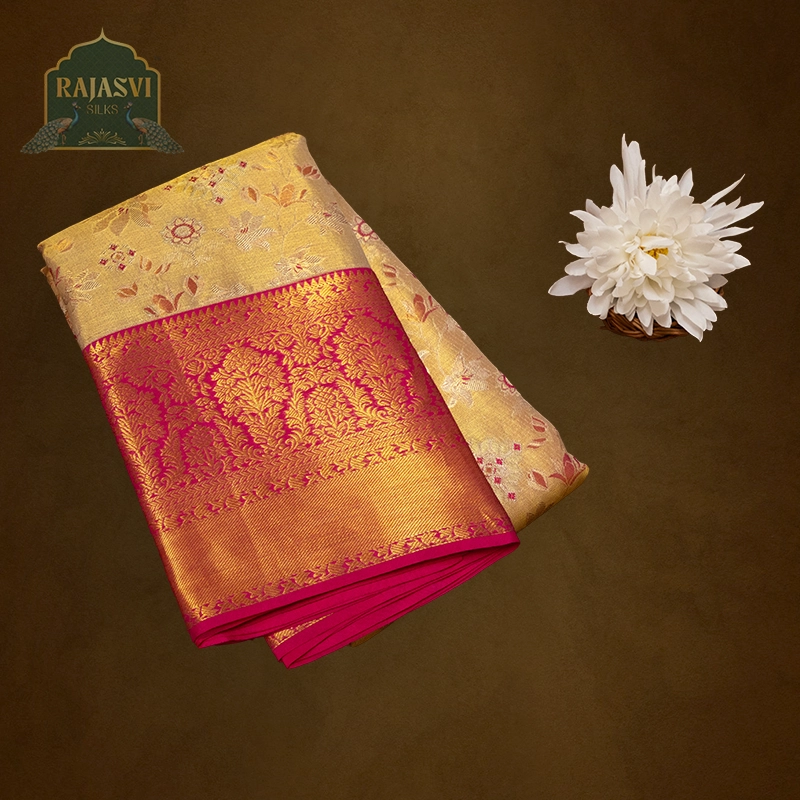
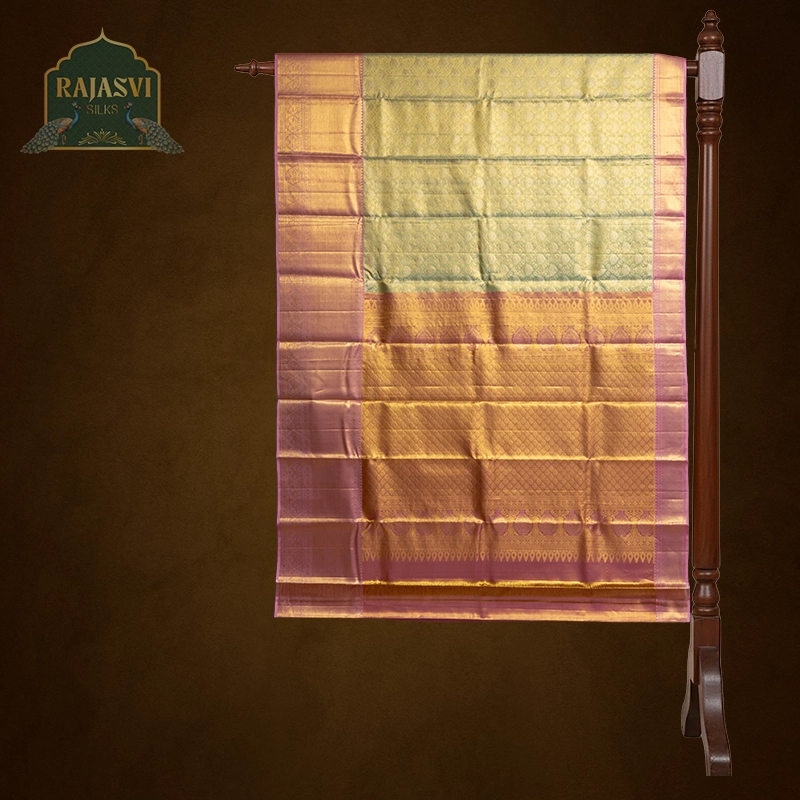
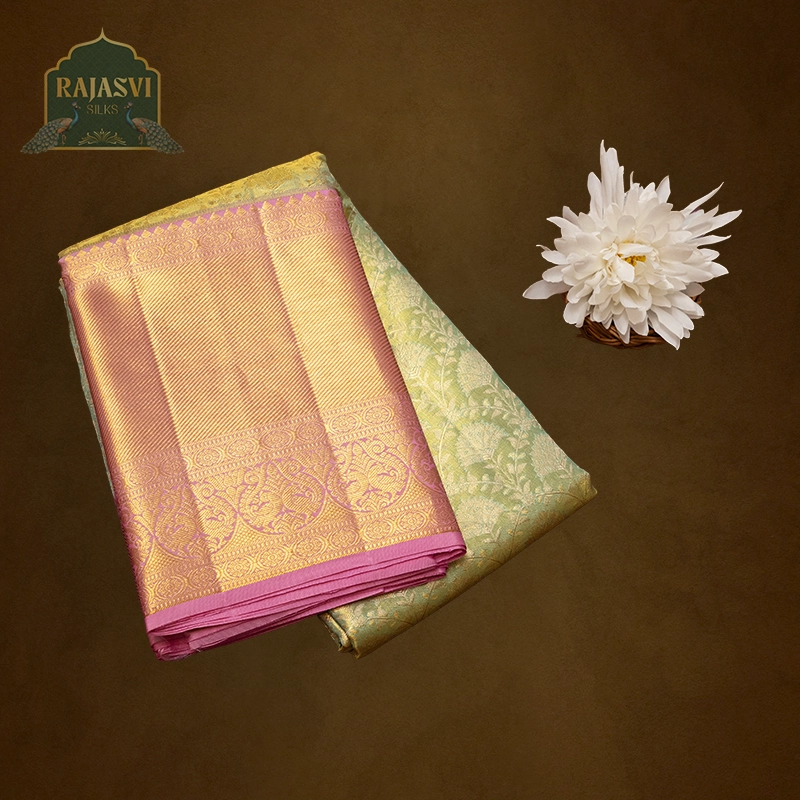
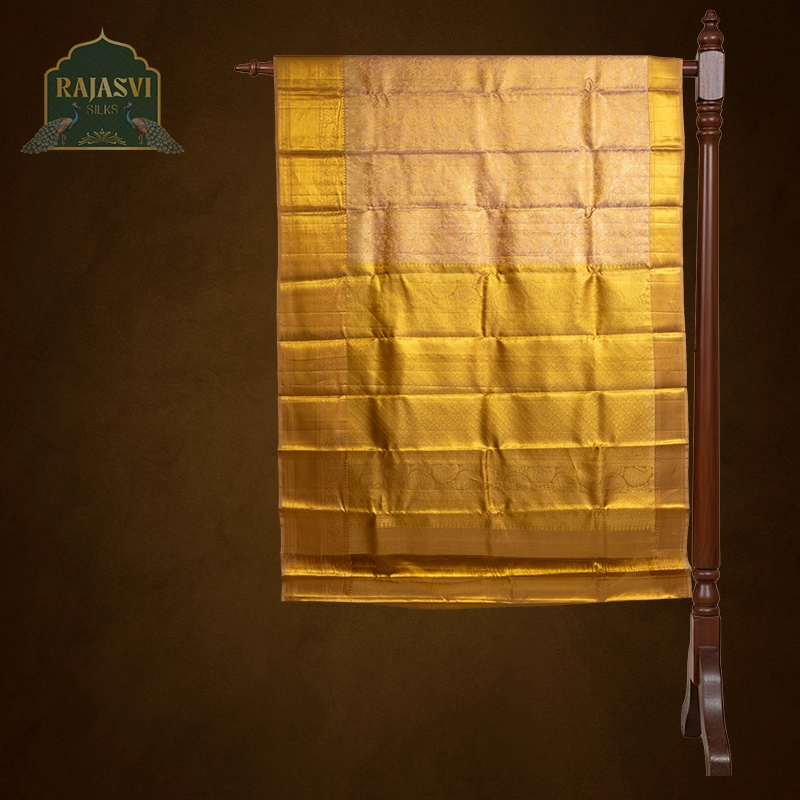
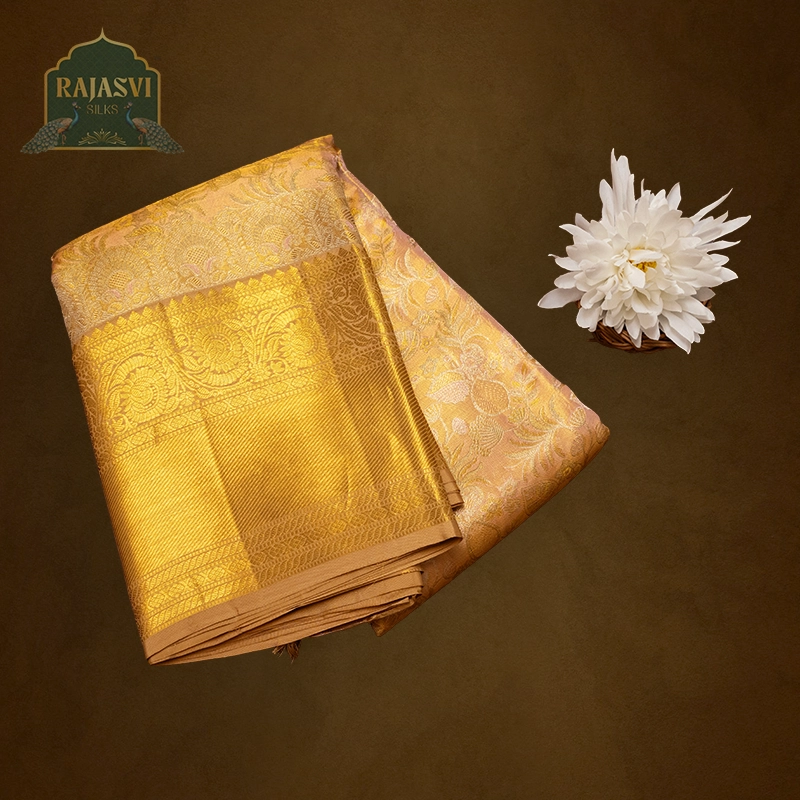
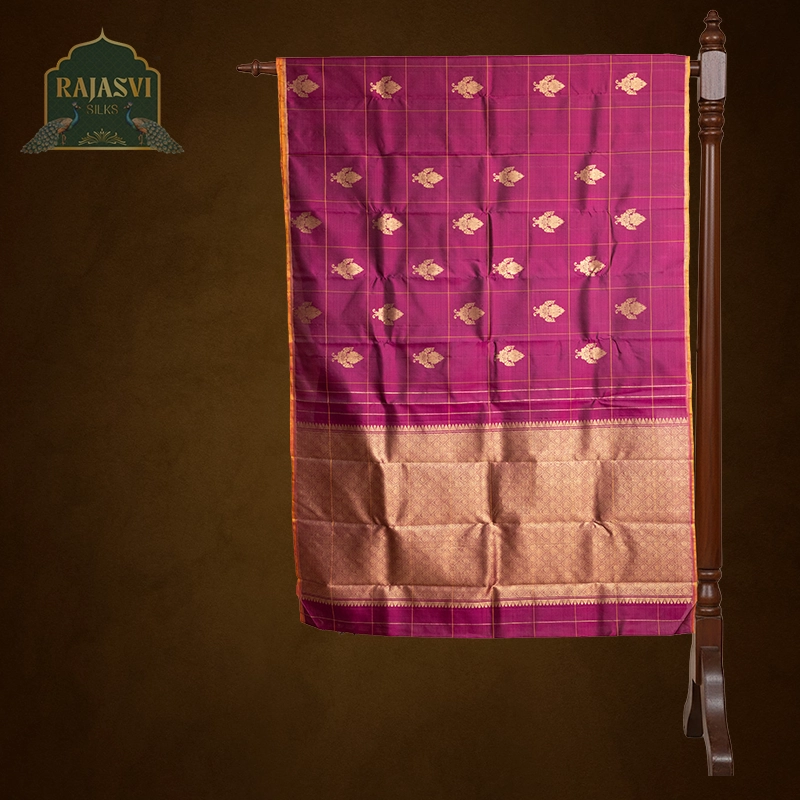
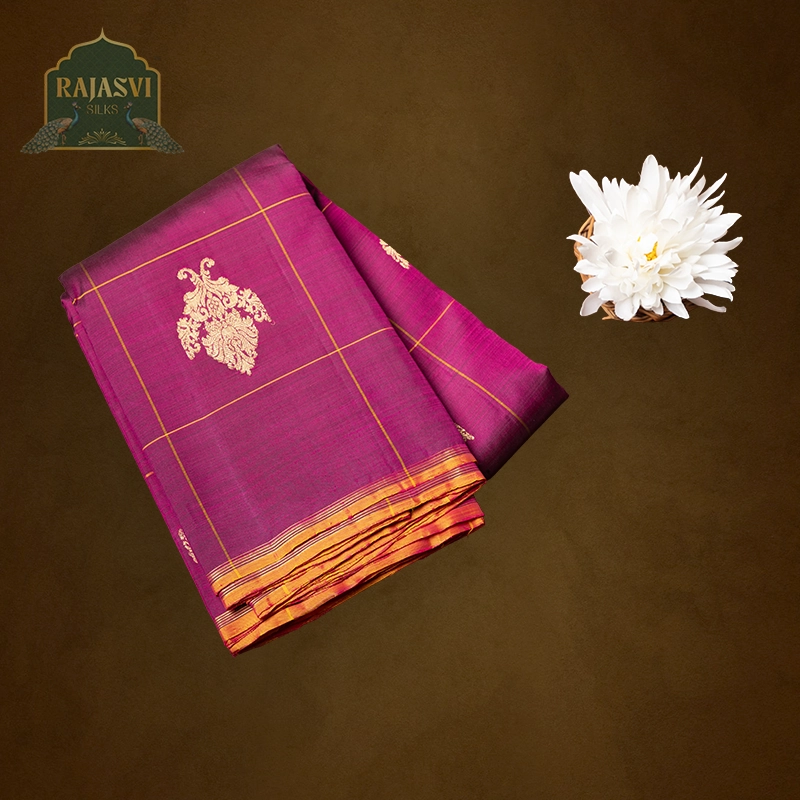
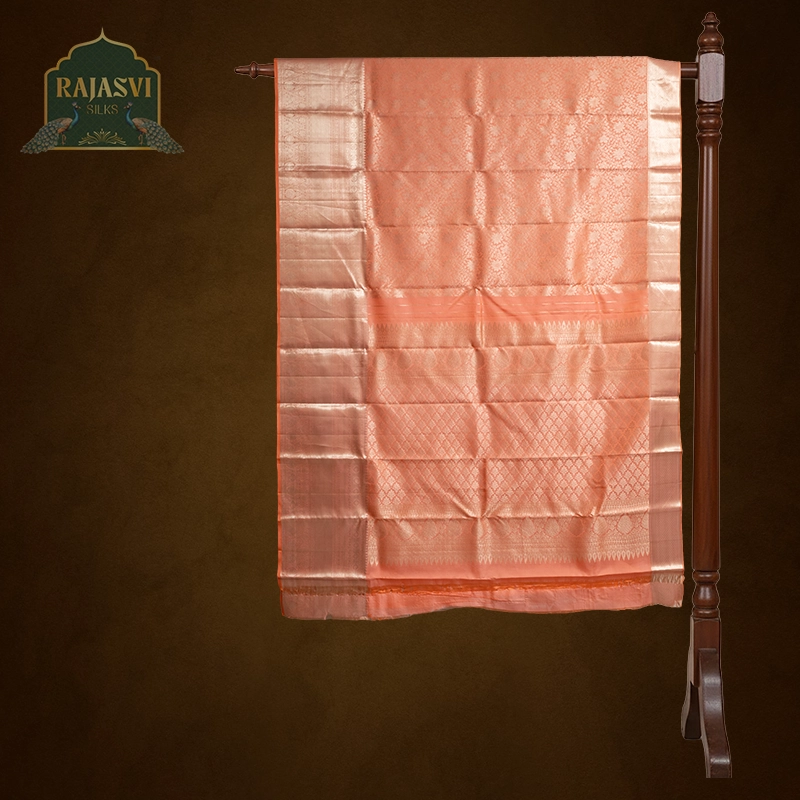
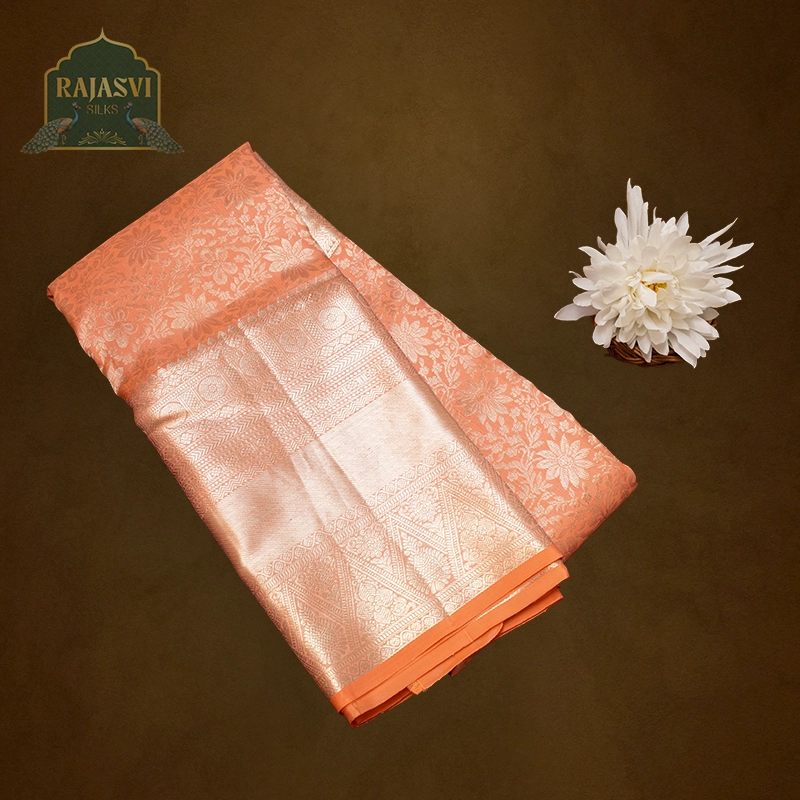
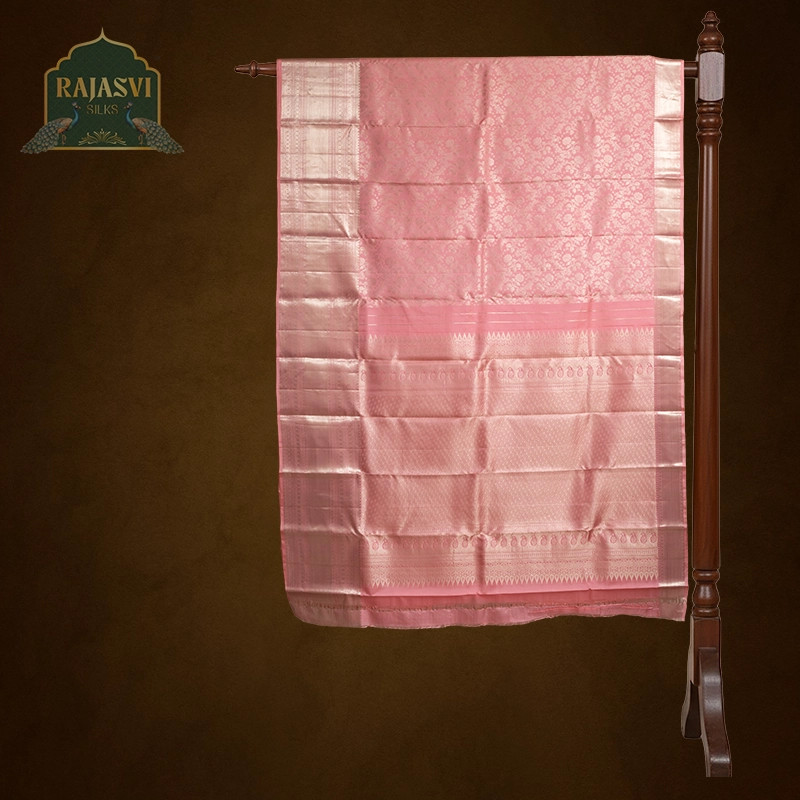
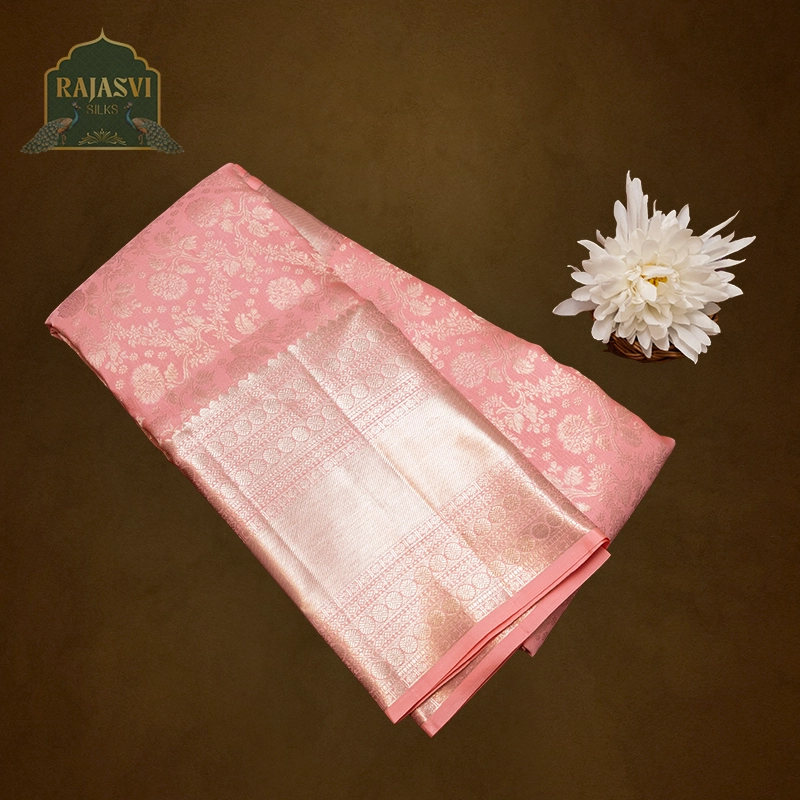
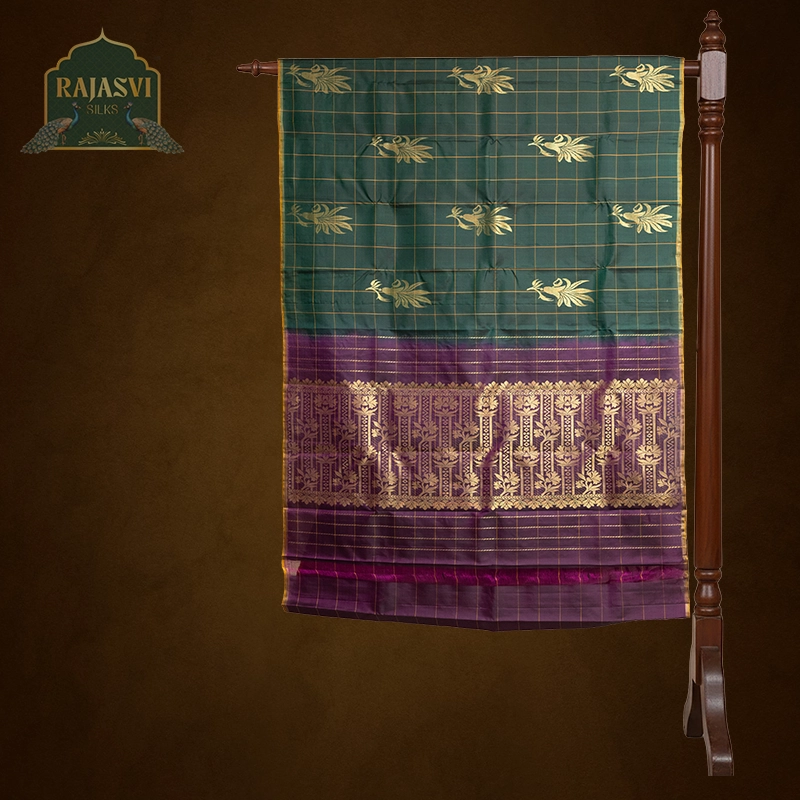
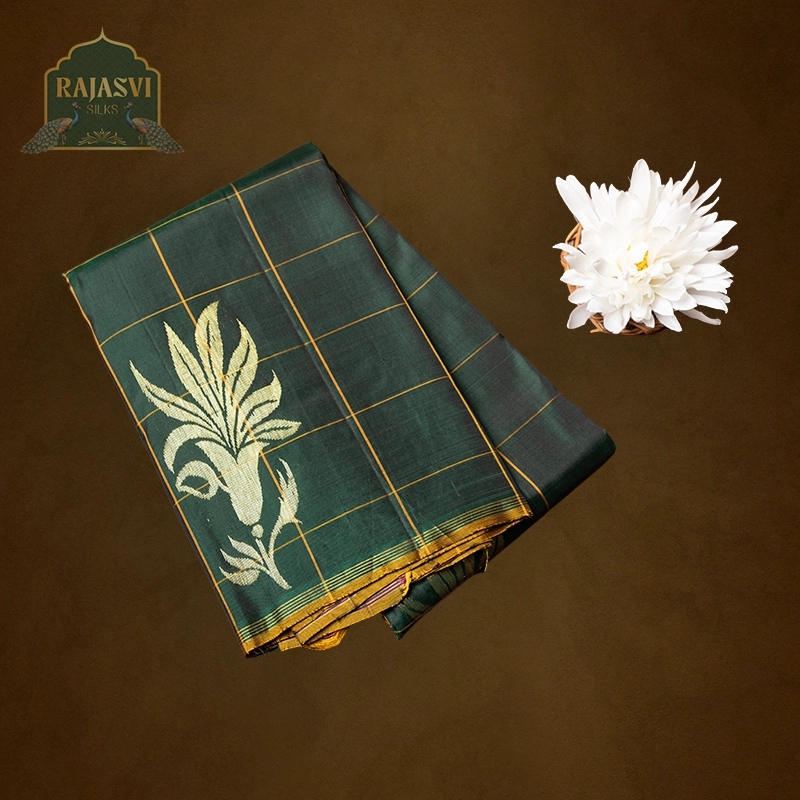
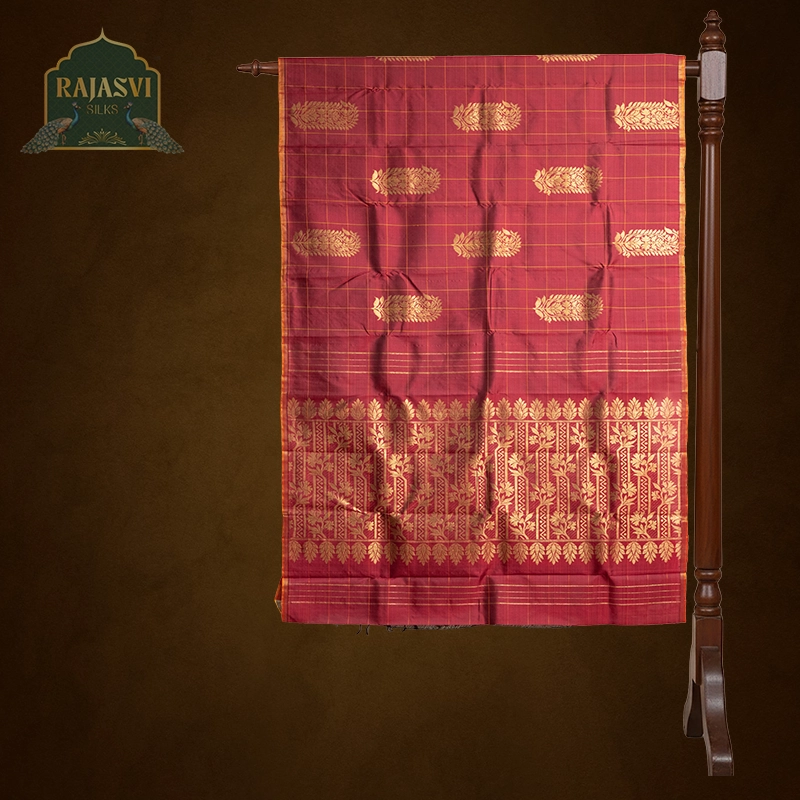
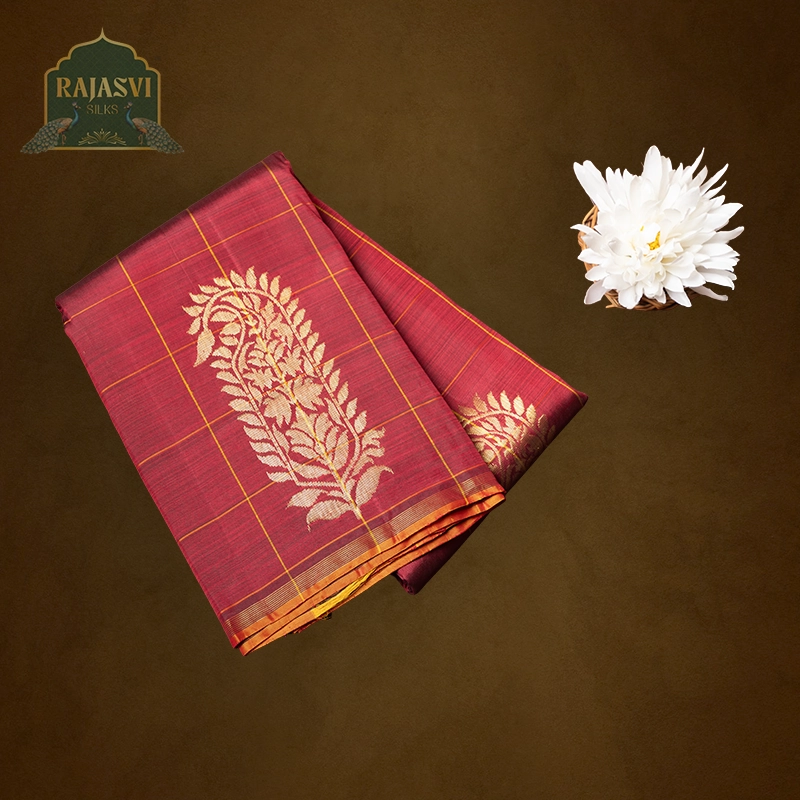
Historically, Kanjivaram saree were woven exclusively for royalty, temple rituals and aristocratic families. The use of pure mulberry silk combined with real gold and silver zari sets these saree apart from others. Over time, the craft flourished under royal patronage and became an integral part of South Indian heritage.
The Kanjivaram saree has earned global admiration for its craftsmanship and authenticity. In 2005, it received the Geographical Indication (GI) tag, ensuring that only saree woven in Kanchipuram using traditional methods can be called true Kanjivaram sarees. This recognition protects the artisans and preserves the originality of the craft.
The Kanjivaram saree stands as a testament to India’s rich handloom culture. Its history, intricate artistry and cultural importance make it timeless and invaluable. Owning a Kanjivaram saree is not just about fashion; it is about carrying forward a legacy woven with tradition, art and devotion.